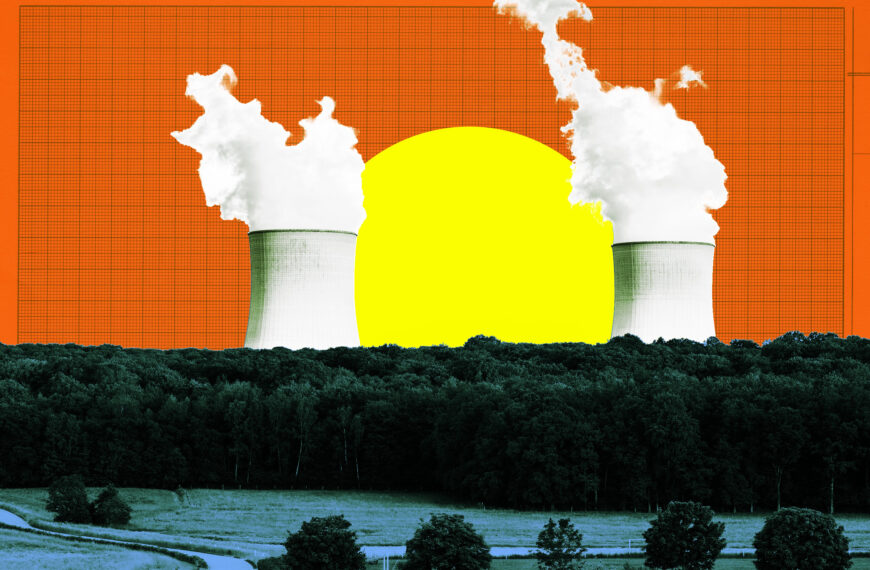
The United States approach to nuclear energy is interesting, to say the least. Of all the countries harnessing the power of the atom, the United States is perhaps the most privatized nuclear energy system in the world. Most countries treat nuclear fission as a government affair — China runs its reactors through state-owned enterprises, and France went so far as to fully renationalize its main nuclear company in 2023. The States, meanwhile, leave their reactors almost entirely in the hands of the private sector.
Disciples of the free market will tell you this is exactly how things should be. If you don’t have a financial stake in the nuclear race, however, you might notice this arrangement comes with side effects like chronic understaffing and public subsidies of private profit. It also raises serious safety questions as a rising number of nuclear startups jostle for a piece of the atomic pie.
Case in point, new reporting by Politico‘s energy publication E&E News found that several baby nuclear companies are avoiding requests to join one of the industry’s main safety organizations. The regulatory body, called the Institute of Nuclear Power Operations (INPO), was formed in the fallout of the partial meltdown at Three Mile Island in 1979. While not a government body, the INPO is a nonprofit nuclear watchdog, responsible for conducting plant inspections, sharing operational guidance between nuclear companies, and helping companies train nuclear personnel.
For a nuclear energy company, joining the INPO is completely voluntary, though every operator has — until now. Of the nine nuclear startups which have sprouted up off the back of the tech industry’s data center boom, only one has signed up to join the INPO, E&E reported. These include companies like the “mass-manufactured nuclear” startup Aalo Atomics, and the “microreactor” company Antares Nuclear.
The reason comes down to profit, essentially: why listen to a bunch of bureaucrats telling you to slow down and play it safe when you could just fire up the uranium?
“These entities are businesses, and they’re trying to make money,” Scott Morris, a nuclear consultant and former US Nuclear Regulatory Commission (NRC) official, told E&E. “Any infrastructure that you put around that entity that is not directly contributing to its bottom line, it’s going to be questioned.”
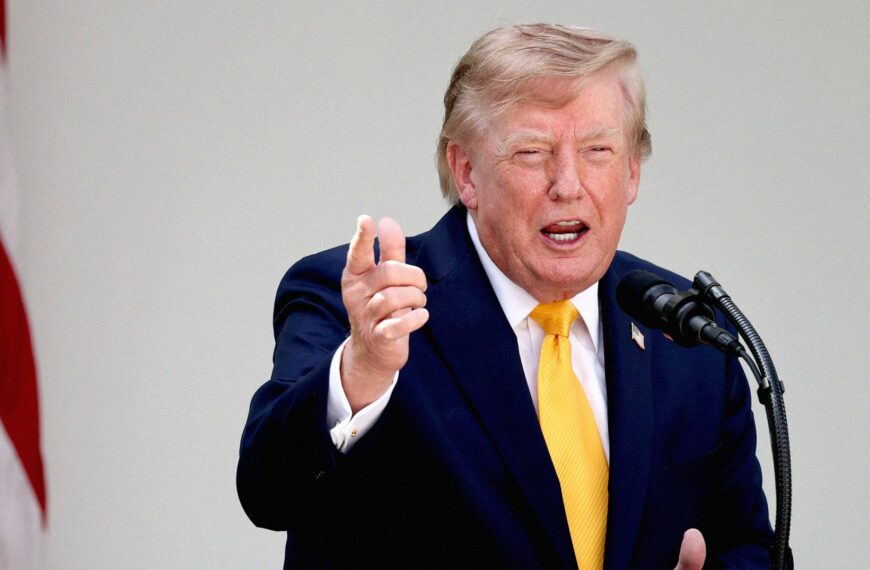
Their decision to sidestep the INPO is even more concerning in the wake of Donald Trump’s regulatory cutbacks, which put the industry-led INPO in charge of regulations previously handled by the NRC. In effect, these moves have made certain operational regulations completely optional for nuclear energy companies.
“In fact, the NRC has delegated some of its regulatory authority, so to speak, to [the] INPO, specifically in the realm of operations and maintenance training programs,” Morris said. “The NRC and INPO are not duplicative; they’re complimentary.”
More on nuclear energy: Trucker Awarded $20,000 for Hauling a Massive Amount of Nuclear Waste
The post There’s a Glaring Safety Problem With Nuclear Energy Startups appeared first on Futurism.