
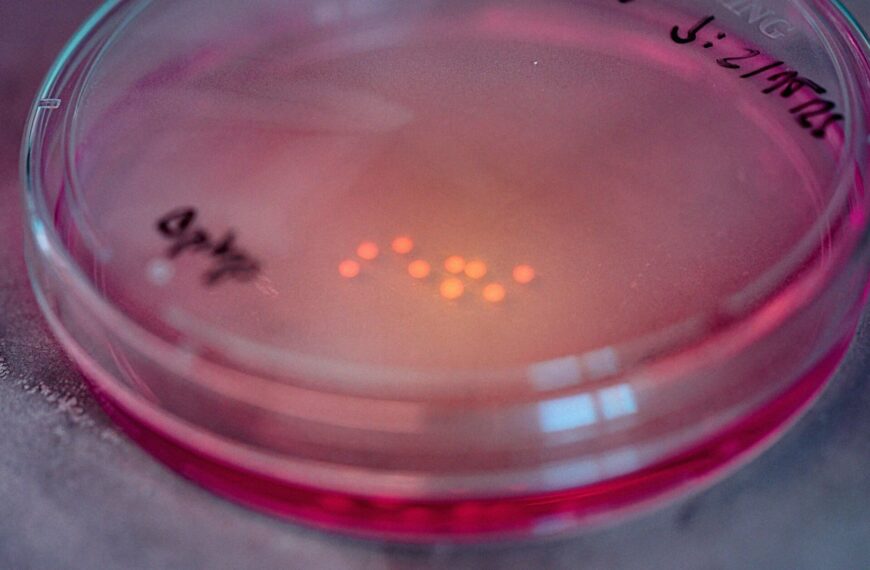
The human brain takes decades to mature, a prolonged developmental period marked by the constant formation of new connections between brain networks.
However, observing these physical changes in a lab has proven difficult. While artificially grown models of the organ [grown from human stem cells, called human brain organoids, have allowed scientists to study these processes, they’ve been limited to the earliest stages of development — until now.
As detailed in a new paper published in the journal Nature, an international team of scientists have now grown human brain organoids for five full years in a lab. They found that the the biological age of these cultures, as judged by changing genetic markers, perfectly correlated with how much time they “spent in vitro,” allowing them to “record the passage of time over multiple years.”
And if the sound of five-year-old “clumps of brain cells grown in a lab dish,” as New Scientist put it, sounds like something straight out of a horror movie, you’re not alone.
But despite their unsettling nature, human brain organoids have allowed scientists to gain important insights into important fields of study, from drug testing and the effects viral infections have on neurological development to human evolution.
Usually, these models are only grown for a handful of months, not years. In the new Nature paper, senior author and Harvard University stem cell researcher Paola Arlotta and her colleagues describe how they set out to break a new record by keeping the organoids alive for five whole years.
“We didn’t know how far the development and maturation of human brain tissue could occur outside the context of the normal brain inside the head,” she said in a statement about the research. “This work showed that it’s actually possible to not just have these organoids survive in culture, but also continue to change, develop, and mature over stretches of time that had never been reached before.”
The previous record, set by UCLA and Stanford researchers in 2021, was just 694 days.
For the latest research, the team grew 34 organoids, sequencing their RNA every six months over five years to ascertain their epigenomic or biological age. They found that the organoids almost perfectly ran through the “developmental sequence of human brains during gestation and the first years of life.”
Best of all, the cells formed the ability to remember what cells to produce at the various stages of maturation, effectively recording the “passage of time” while retaining a “memory of the developmental steps already performed.”
It’s a fascinating new frontier as scientists probe deeper into how the human brain functions and develops over decades.
“The human brain is very inaccessible,” said coauthor and University of Milan assistant professor Irene Faravelli in the statement. “With organoids, we started by looking at the very first processes, and now we are getting closer and closer to processes that are happening later in development.”
The researchers are now looking to push the boundaries even further. While they’re already in possession of organoids that are seven years old and increasingly fragile, they’re now looking to find new ways to get to this stage of maturity quicker, in what Arlotta calls a “time warp” capability.
“Now we know that you can go quite far, and I think you can do a lot with what we have already achieved,” she said. “Now we have to figure out how to make it happen faster.”
More on organoids: Lab-Grown Brains Growing More Powerful
The post We Are Admittedly Creeped Out by These Chunks of Human Brain Matter That Have Lived Longer Than a Toddler appeared first on Futurism.