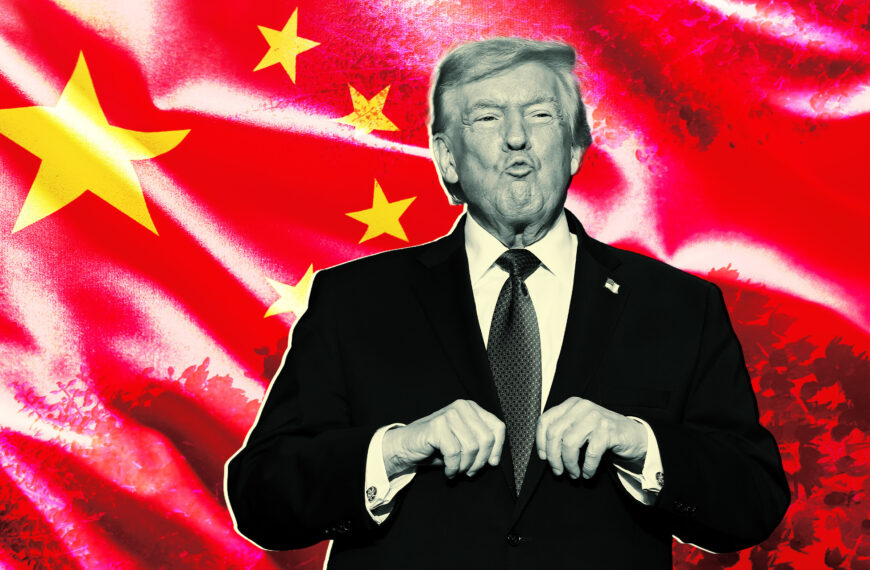
In a probably-predictable twist of geopolitical irony, America’s effort to block China’s access to cutting-edge AI chips hasn’t succeeded in stifling the People’s Republic — but instead forged a more self-reliant alternative to Silicon Valley that has investors jumping ship.
As reported by Reuters, global investors are putting more of their money into Chinese tech companies due to concerns over the size of Wall Street’s AI bubble, which continues to grow unabated.
Though large language models (LLMs) built by Chinese tech firms lag modestly behind the capabilities of those made by US companies, investors aren’t necessarily approaching them as a plan B. As Reuters points out, growing demand for Chinese tech stocks is being fueled by Beijing lawmakers’ drive for tech independence just as much as it is the American AI bubble.
A UBS Global Wealth Management report from earlier this month rated Chinese tech as “most attractive” to investors, the highest rating it dishes out in its global asset class assessments. The UBS researchers note that tech financiers are drawn by China’s “strong policy backing, technological self-reliance, and rapid AI-monetization.”
“China’s tech sector ramped up innovation in 2025, with notable advances across the AI value chain,” the report stated. “New Chinese AI models have shown tech leadership, and supportive policy is reinforcing ecosystem resilience.”
Sure enough, Reuters notes that institutional investment firms like the UK’s Ruffer are increasing their investments in Chinese tech giants like Alibaba, while chasing a strategy of “deliberately limited exposure” to the top US tech giants.
“While the US remains the leader in frontier AI, China is rapidly narrowing the gap,” Gemma Cairns-Smith, investment specialist at Ruffer told Reuters. “The moat may not be as wide, or as deep, as many think… The competitive landscape is shifting.”
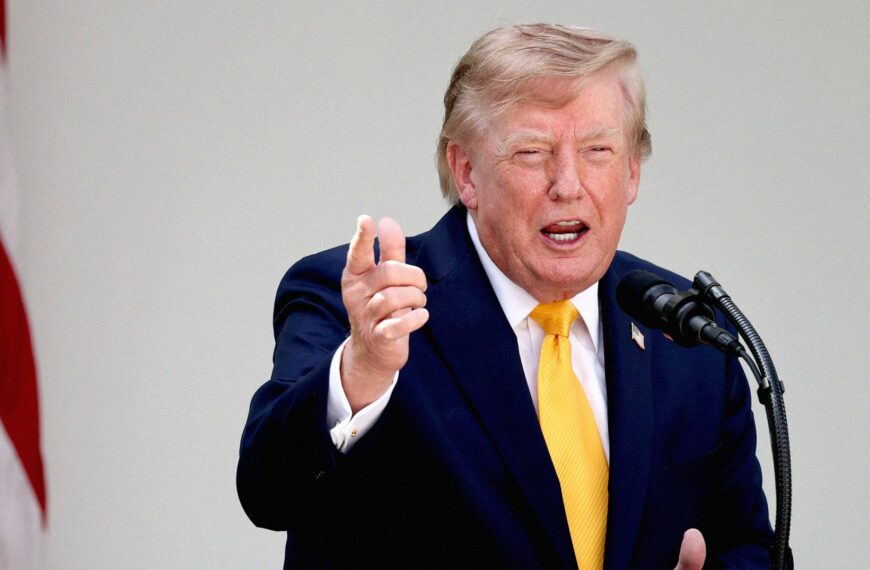
Notably, the shift in attitude comes after years of anti-China trade policy courtesy of US presidents Joe Biden and Donald Trump. The executive efforts, meant to limit Chinese tech company’s access to AI chips built by Nvidia — the most powerful on the market — have hit a fever pitch during the second Trump administration.
Back in April, Trump imposed new trade restrictions on the sale of certain Nvidia AI chips to the People’s Republic. This included the H20 chip, which the company had previously nerfed for the Chinese market in order to appease US lawmakers. Beijing lawmakers soon retaliated by banning top tech companies from importing Nvidia chips, giving a huge boost to Chinese chip makers.
In a further desperate bid to outmaneuver Beijing, Trump quietly reversed the decision on H20 chips in early December, though the damage may already be done. In a technological competition with razor-thin margins, Trump’s maneuvers may be too little and too late to win anxious investors back to Silicon Valley.
More on China: Nvidia CEO Says China Is “Going to Win” the AI Race
The post Trump’s Chip Embargo Against China Is Backfiring Spectacularly appeared first on Futurism.