An autopilot system took over a plane and pulled off an emergency landing completely autonomously.
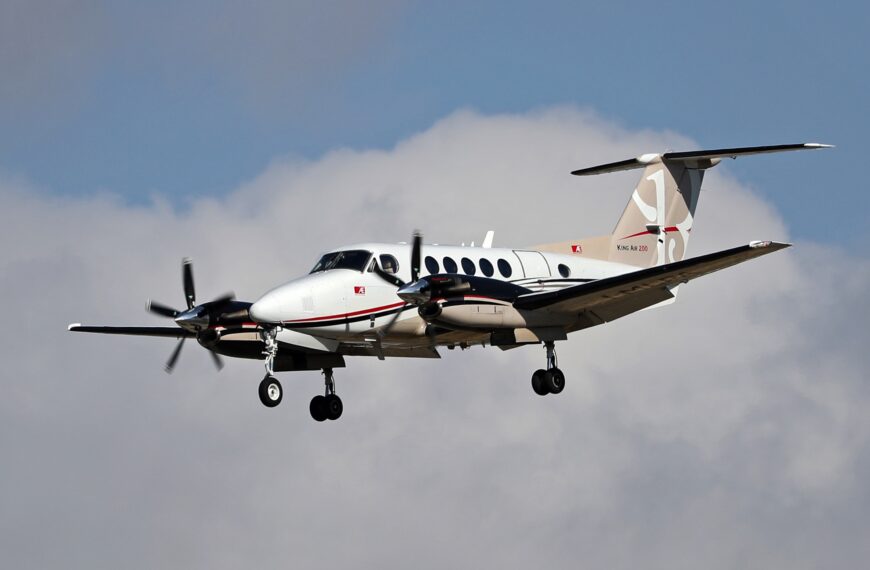
The nail-biting intervention took place after the twin engine turboprop, a Beechcraft Super King Air, suddenly lost cabin pressure while flying across Colorado on December 20. Garmin’s Emergency Autoland system then took over, flew the plane, communicated with air traffic controllers, and made a fuss-free landing at Rocky Mountain Metropolitan Airport near Denver.
“This was the first use of Autoland from start-to-finish in an actual emergency,” Garmin said in a statement, via CNN.
Various forms of autoland systems are routinely used to land aircraft in tough weather conditions where visibility is poor — but not during emergencies. Garmin’s system, however, is part of an emerging line of autoland systems intended for emergency use only, and is designed to take “complete control of the flight to land the airplane” in situations “where the pilot is unable to fly,” according to the manufacturer. That it managed to effortlessly handle a real-world emergency here is a milestone in aviation safety.
In this case, Garmin’s Autoland was automatically triggered because the “cabin altitude exceeded the prescribed safe levels” after the aircraft experienced “a rapid, uncommanded loss of pressurization,” Chris Townsley, CEO of the plane’s operator, Buffalo River Aviation, said in a statement. The pilots put on their oxygen masks, then “made the decision to leave the system engaged,” he added.
Once at the reins, the autonomous system selected where to land on its own, based on criteria like distance and runway length, and communicated its intent to ground control. “Emergency autolanding, 19 minutes from runway 30R at KBJC,” the system told the tower, as quoted by The Register.
The plane landed at Rocky Mountain Metropolitan Airport around 2:20 pm local time. No passengers were on board the aircraft. Footage posted by emergency responders shows the two pilots disembark the plane on the runway.
In this case, the pilots made the voluntary decision to let Autoland take over and did not lose consciousness, contrary to initial speculation. (The system’s automated voice erroneously told air control that it had taken over after “pilot incapacitation,” leading to the confusion.)
“While the system performed exactly as expected, the pilots were prepared to resume manual control of the aircraft should the system have malfunctioned in any way,” Townsley said. The pilots “consciously elected to preserve and use all available tools and minimize additional variables in an unpredictable, emergent situation.”
The FAA said it was investigating the incident.
More on aviation: Elon Musk’s Starship Explosion Endangered Hundreds of Airline Passengers
The post Autopilot Autonomously Lands Plane After Cabin Loses Pressure, for the First Time Ever appeared first on Futurism.