
High-quality cables have long been marketed as a key way to get the most out of high-end equipment, such as expensive studio-grade monitor speaker cables and gold-plated HDMI cables for cutting-edge TVs.
In the high-end audiophile world, which is renowned for eye-bulging prices, cables can cost tens of thousands of dollars for ultra-pure copper with silver plating, specialized insulation, and dozens of individual conductors that manufacturers claim will squeeze the most out of a luxury-grade sound system aimed at the uber-wealthy.
The laws of physics, however, have long dictated that spending that kind of cash on cables simply isn’t worth it in the vast majority of circumstances — as long as you don’t go for the cheapest option from the dollar store, of course.
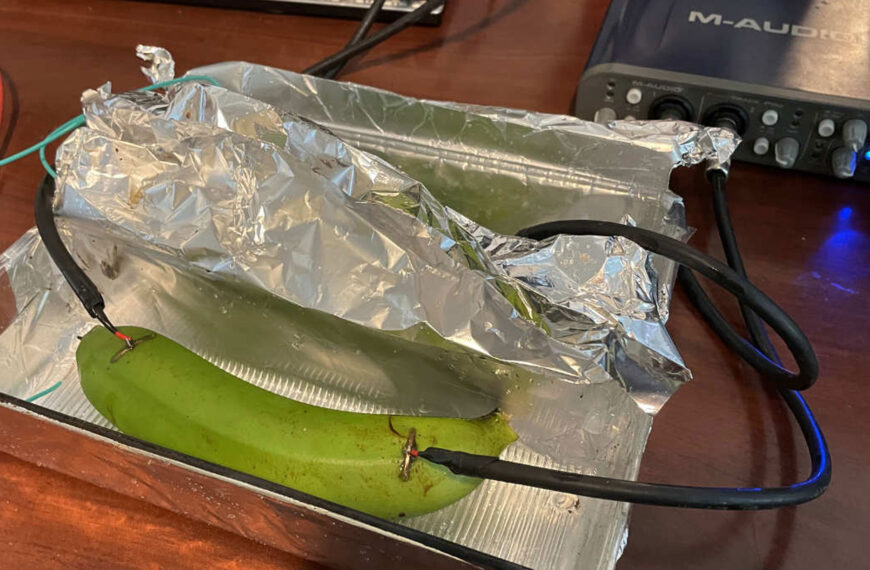
To put the decades-long debate to the ultimate test, a moderator who goes by Pano at the audiophile enthusiast forum diyAudio conducted an eyebrow-raising experiment back in 2024, which was rediscovered by Headphonesty late last month and Tom’s Hardware last week.
Pano ran high-quality audio through a number of different mediums, including pro audio copper wire, an unripe banana, old microphone cable soldered to pennies, and wet mud. He then challenged his fellow forum members to listen to the resulting clips, which were musical recordings from official CD releases run through the different “cables.”
The results confirmed what most hobbyist audiophiles had already suspected: it was practically impossible to tell the difference.
Listeners had an extremely hard time picking out what signals were run through the banana or mud, according to a results table Pano posted roughly a month after announcing the experiment. A mere six out of 43 guesses were correct. According to Tom’s Hardware‘s analysis, the “results are consistent with randomness.”
“The amazing thing is how much alike these files sound,” Pano wrote. “The mud should sound perfectly awful, but it doesn’t. All of the re-recordings should be obvious, but they aren’t.”
“Banana and mud (and in the older tests, potato) are simply like putting a resistor in series, meaning that other than changing the signal level, they don’t do much,” he added.
While you may get great audio reproduction when running a signal through a green banana or mud as a conductor, there are still some key reasons why we shouldn’t rely on them for our audio equipment.
“What does seem to actually matter for interconnects is [DC resistance] and shielding,” Pano suggested later. “Mud and bananas cause signal level loss and one of those materials does not have a flat frequency response.”
“What doesn’t seem to make much (if any) difference in sonic quality is the material of the conductor,” he added. “You don’t need [oxygen-free copper] or 99.999999 percent pure silver, or Litz wire or anything special. Good old copper wire does the job. Steel, iron or aluminium probably would too.”
“Maybe there are high-end bananas,” another forum member joked in response. “The common (Cavendish type) tastes not the best.”
The experiment eventually went viral on several niche subreddits, leading to plenty of jeering comments aimed at companies still charging over $100,000 for a simple speaker cable.
“I replaced my speaker cables with trays of mud years ago,” one user on the r/audiophile subreddit quipped.
“I prefer bananas as interconnects for the warm fuzzy potassium,” another user wrote.
More on audio: AI-Generated Sound Effects Are Now Fooling Human Ears
The post In Blind Test, Audiophiles Unable to Tell Difference Between Sound Signal Run Through an Expensive Cable and a Banana appeared first on Futurism.