
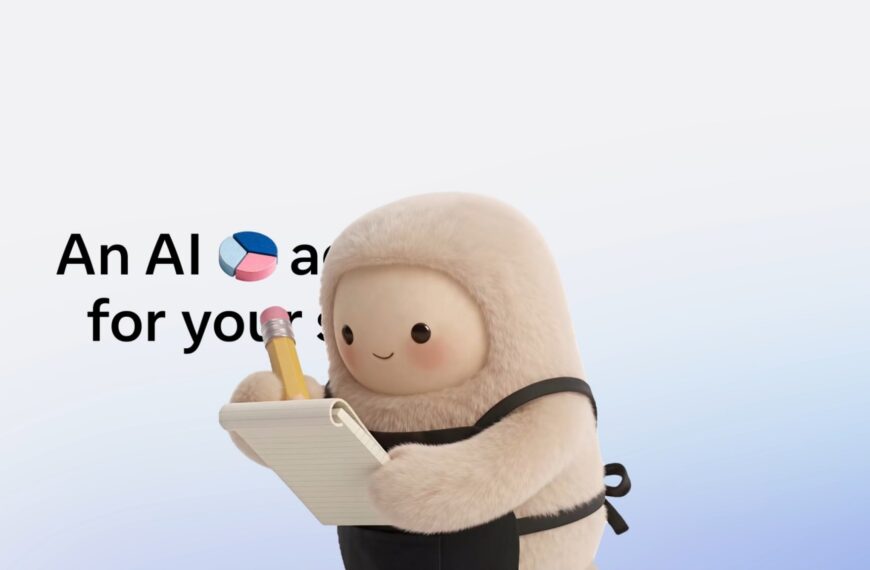
As Meta was scrambling to release its Muse AI agent to the public earlier last month, CEO Mark Zuckerberg took to social media to insist that it was “built from the ground up for privacy and security.”
On X-formerly-Twitter, the billionaire’s simple post soon had a correction tagged on via a community note, and for good reason: the AI agent is a font of untold privacy horrors.
As Ars Technica reported today, security researchers found Muse is capable of exposing sensitive information on its users through web links generated via a “share” feature. Investigators at the cybersecurity firm Claroc recently uncovered a simple exploit whereby they could access pages from over 6,800 links Muse had generated to share pages with other users.
The trick worked like this: once a Muse user decides they want to share something with another person — say, a copy of their chat log with Muse — the AI tool would generate a web link for that “share.” That URL included both the AI-generated title of the chat, plus a random string of characters.
When anybody opened the link, the full web address would be noted in a lookup dataset, like a phone book of web addresses that have been visited. Researchers were then able to search that set for other Muse share addresses, from which they were able to find strings of unrelated public chats.
By digging through those “phone books,” investigators were able to easily open chat logs containing detailed private information, including corporate revenue documents, loan applications, bank transaction details, income details, and one workplace vacation calendar, Ars noted.
“If you had asked us beforehand, we would have guessed that gathering these would take real effort,” the researchers wrote. Instead, “it took one query.”
Though Meta told Ars it had shut off the feature, this privacy gaffe is just the latest revelation about Muse’s many security shortcomings.
Earlier this month, it was revealed that Muse was keeping detailed files on users’ friends and families, apparently following an internal instruction to keep a running “page for every person in the user’s life.”
If Muse’s first month in public hands is any indication, this is likely just the start of a long list of security and privacy blunders for the cutesy AI model.
More on Meta: Meta Is Using Its Massive AI Data Centers to Avoid Paying Billions of Dollars in Taxes
The post Meta’s Muse AI Agent Caught Leaking Users’ Intimate Personal Information appeared first on Futurism.