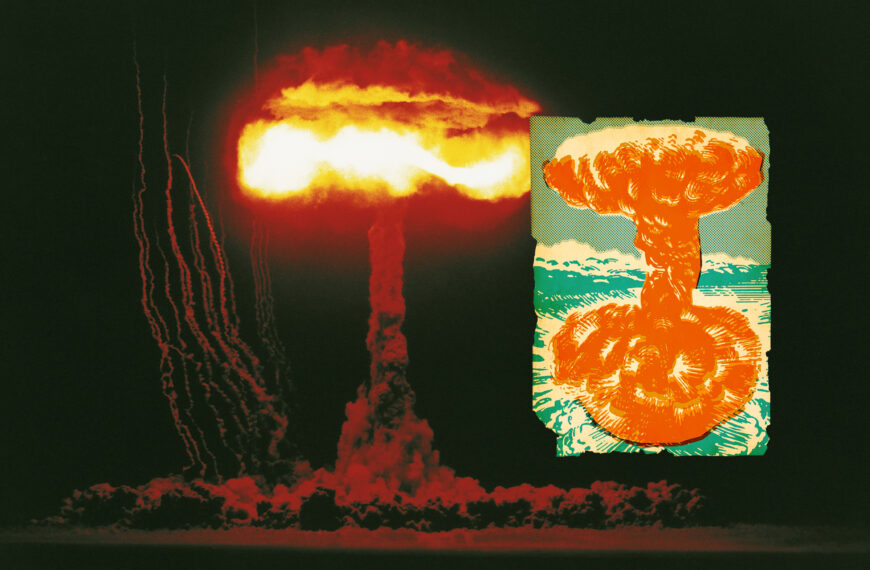
The crypto-based prediction sensation Polymarket has quietly taken down a bet on whether a nuclear weapon would be detonated before next year.
The bet, which was first listed last November, generated significant controversy on social media Tuesday after it was flagged by several users.
Polymarket had also highlighted the bet on its official X account that day, tweeting that its market now predicted there was a 22 percent chance a nuclear weapon would be detonated this year. The post has since been deleted — and the bet itself has now been “archived” as of Wednesday morning.
Polymarket did not respond to a request for comment.
The Wall Street Journal reported that the nuclear detonation bet had spiked in popularity after the US and Israel’s deadly strikes in Iran. Before the attacks broke out, only $10,000 in bets had been placed on Friday, according to data from the Block cited by the newspaper. But on Tuesday, the daily trading volume had surged to almost $244,000, bringing the total amount of money on the line to over $830,000.
It’s unclear why the bet has been removed. Polymarket seldom scruples on the ethics of its prediction markets, allowing users to profit on plenty of war-related outcomes and deadly disasters. Several bettors made millions of dollars on predicting when the US would airstrike Iran. Another recently pulled in over $553,000 on a prediction on whether Ayatollah Ali Khamenei would be removed from power after the Iranian leader was assassinated in joint US and Israeli airstrikes on Friday. It’s hard to complain that the line is being drawn at nuclear conflict, but it’s telling that Polymarket only took the bet down after it surged in popularity.
That such a prediction on a nuclear blast was allowed in the first place comes amid increasing controversy over government and military insiders potentially using prediction markets to profit off war and other geopolitical events.
In January, an anonymous Polymarket user walked away with more than $400,000 after placing a bet that Venezuela’s president Nicolás Maduro would be ousted as leader by the end of the month, just hours before US troops invaded the country and abducted him . The following month, Israeli authorities arrested several citizens and IDF reservists for using classified information to place Polymarket bets on the airstrikes on Iran during the Twelve-Day War in June.
The international version of Polymarket is currently not subject to US trading laws, which prohibit wagers related to war, terrorism, and assassinations. To access the site, US users typically use a VPN to mask their location. But the Trump administration recently allowed Polymarket to form a US entity, which some critics see as the government signaling that it’d looked the other way. The administration also dropped several investigations into the platform, where Donald Trump Jr, the president’s son, serves on the advisory board.
More on prediction markets: Anonymous Polymarket Accounts Won $1.2 Million on Trump’s Iran Strikes in Suspicious Bets
The post Polymarket Quietly Takes Down Bet On Nuclear Detonation appeared first on Futurism.