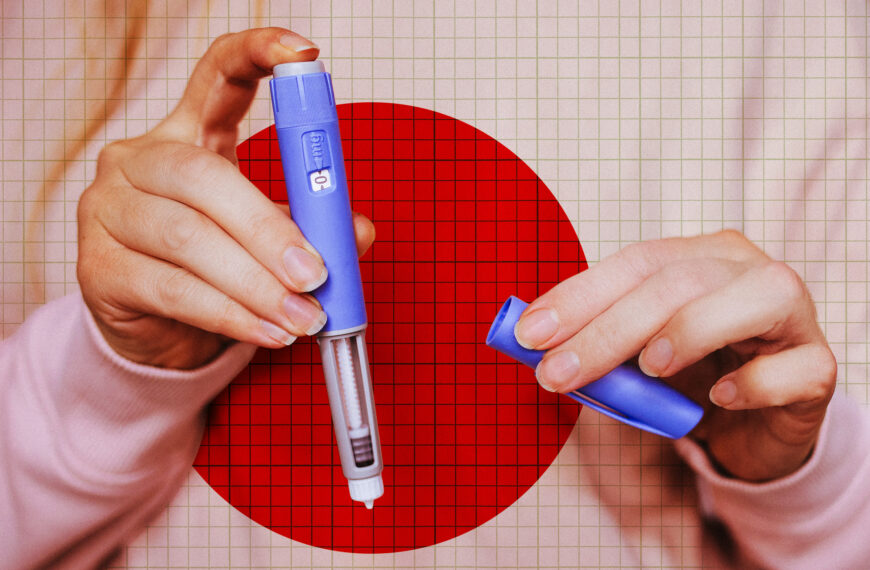
Much has been said about how GLP-1s are “miracle” drugs, providing myriad health benefits beyond weight loss or treating diabetes, lowering the risk of everything from heart disease to cognitive disorders. They even show promise as a treatment for addiction.
But new research exploring what happens when you stop taking them paints a grim picture of how quickly these benefits can rebound, raising urgent questions as many patients end up quitting the drugs due to their costs, availability, and side effects.
In the study, published in the journal BMJ Medicine, researchers from the Washington University School of Medicine tracked the health records of over 333,000 adults with diabetes over three years, roughly a third of whom took the GLP-1 drug Ozempic, the active ingredient of which is semaglutide.
The good news: they found that the risk of cardiovascular disease in patients who consistently took GLP-1s over three years fell by 18 percent, backing up a wealth of research demonstrating its health benefits beyond simply losing weight.
And now for the bad: quitting GLP-s for as short a period as six months, the study found, spiked their risk of a major cardiovascular event by as much as 8 percent. And those who stopped taking them for one or two years saw their risk shoot up by 22 percent, wiping out the protection the drug offered.
Study author Ziyad Al-Aly, a WashU Medicine epidemiologist, described the effect as a “metabolic whiplash.”
“It takes years to build cardiovascular protection, and takes half as much as much to undo that,” he told CNBC in an interview.
The most obvious effect for many people who stop taking GLP-1 drugs is weight regain, as an appetite that once subsided comes roaring back with intensity. But Al-Aly said in a statement that there’s also a “resurgence in inflammation, blood pressure, and cholesterol.”
Adding to the concern, Al-Aly said that the findings showed interruptions to treatment leave a “lasting scar,” because patients don’t regain all of the drug’s protection. This is particularly worrying with GLP-1s, as many either quit or intermittently stop taking them. During the study period, 26 percent of the GLP-1 users stopped taking the drug, and 23 percent had an interruption of six months or longer before resuming treatment.
GLP-1s can have gruelling side effects like nausea, affecting some 50 percent of patients who start the medication, according to one survey. Less common, but still notable, are vomiting and diarrhea.
The drugs can also be pricy, with or without insurance. On top of that, rabid demand and lagging manufacturing has led to frequent shortages. Keeping patients on these drugs “shouldn’t be an afterthought,” Al-Aly said. “People need to realize that there’s a price of stopping.”
More on GLP-1s: Novo Nordisk Furious at $49 Knockoff Ozempic Pill
The post Scientists Just Found Something Rather Grim That Happens When You Stop Taking GLP-1s appeared first on Futurism.